

PaymentGenes was proud to be actively present at this year’s Merchant Payments Ecosystem (MPE) event in Berlin, contributing to key discussions shaping the future of payments, fintech, and talent.
.png)
Representing PaymentGenes Recruitment were Harrison Williams (Head of Practice - Recruitment) and Bram Vreugdenhil (Co-Founder and Managing Director). PaymentGenes Capital was represented by Simon Stokes (Head of Fintech M&A). Chief Connections Officer Neill Butcher was also present as a MPE Ambassador.
Together, the team engaged with industry leaders, hosted sessions, and contributed to thought-provoking conversations.
.jpg)
One of the defining characteristics of MPE 2026 was the strong sense of community across the ecosystem. Merchants, service providers, investors, and innovators came together with a shared focus: solving challenges while capitalising on new opportunities.
This sentiment was echoed across the PaymentGenes team. As Harrison Williams reflected:
“It was great to attend MPE and connect with some of the best leaders within the industry. It was a week full of positivity and a great opportunity to learn about the latest innovations and challenges the industry faces. One key takeaway for me is that the industry is in a good place right now, with growth and evolution part of every conversation.”
For Bram Vreugdenhil, the event stood out for its uniquely personal atmosphere:
“MPE facilitates real connections. For some reason, at MPE it feels like coming home, meeting existing relationships and new people in a more personal way. The setup makes conversations more intimate, you run into each other more often, and there’s plenty of time to connect during a drink.”
He added:
“At MPE everyone seemed to be much more open to connect, to collaborate, and to share. It’s the combination of personal connection, valuable insights, and fun that makes MPE one of the top events in the industry in my opinion.”
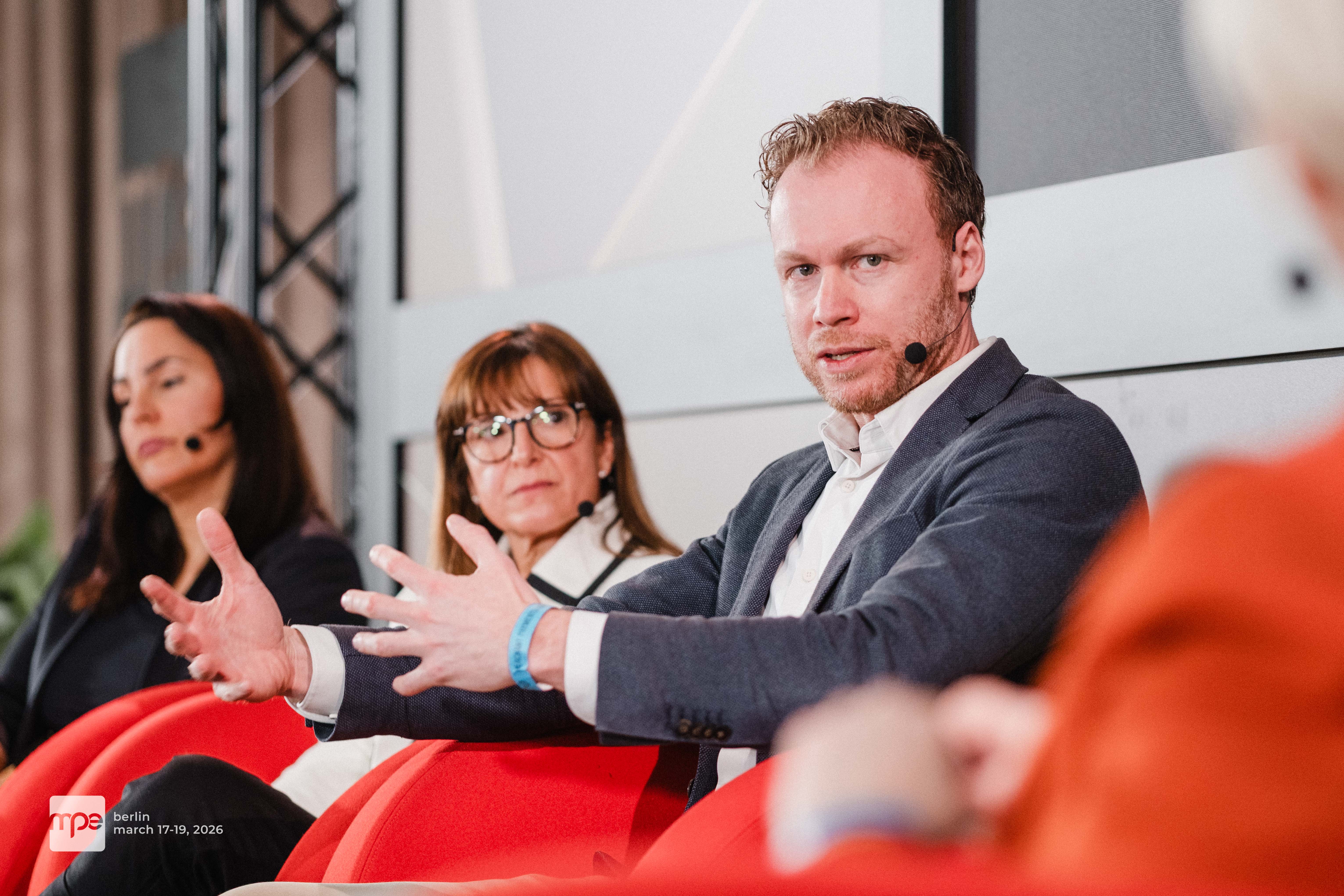
PaymentGenes Recruitment proudly supported MPE NXT 2026, delivering a series of sessions focused on AI, talent, future skills, and leadership. Both Bram Vreugdenhil and Harrison Williams moderated roundtables, helping to spark meaningful discussions on how the workforce in payments is evolving.
As Harrison put it:
“It was a real honour to play a part in the first MPE NXT, delivering speed learning sessions on career development in payments.”
Bram also joined the “People in Payments” panel, where the discussion centred on the intersection of AI, leadership, and people, exploring how organisations can balance technological advancement with human capital strategies in a rapidly changing industry.
Beyond the stage, Bram led the Day 2 morning run, an energising and memorable way to bring the community together and reinforce the event’s collaborative spirit.
At MPE 2026, PaymentGenes Consultancy contributed to the main agenda with two focused sessions addressing critical challenges for merchants and payment professionals: the future of the Digital Euro and decision-making around PSP-Merchant relationships.
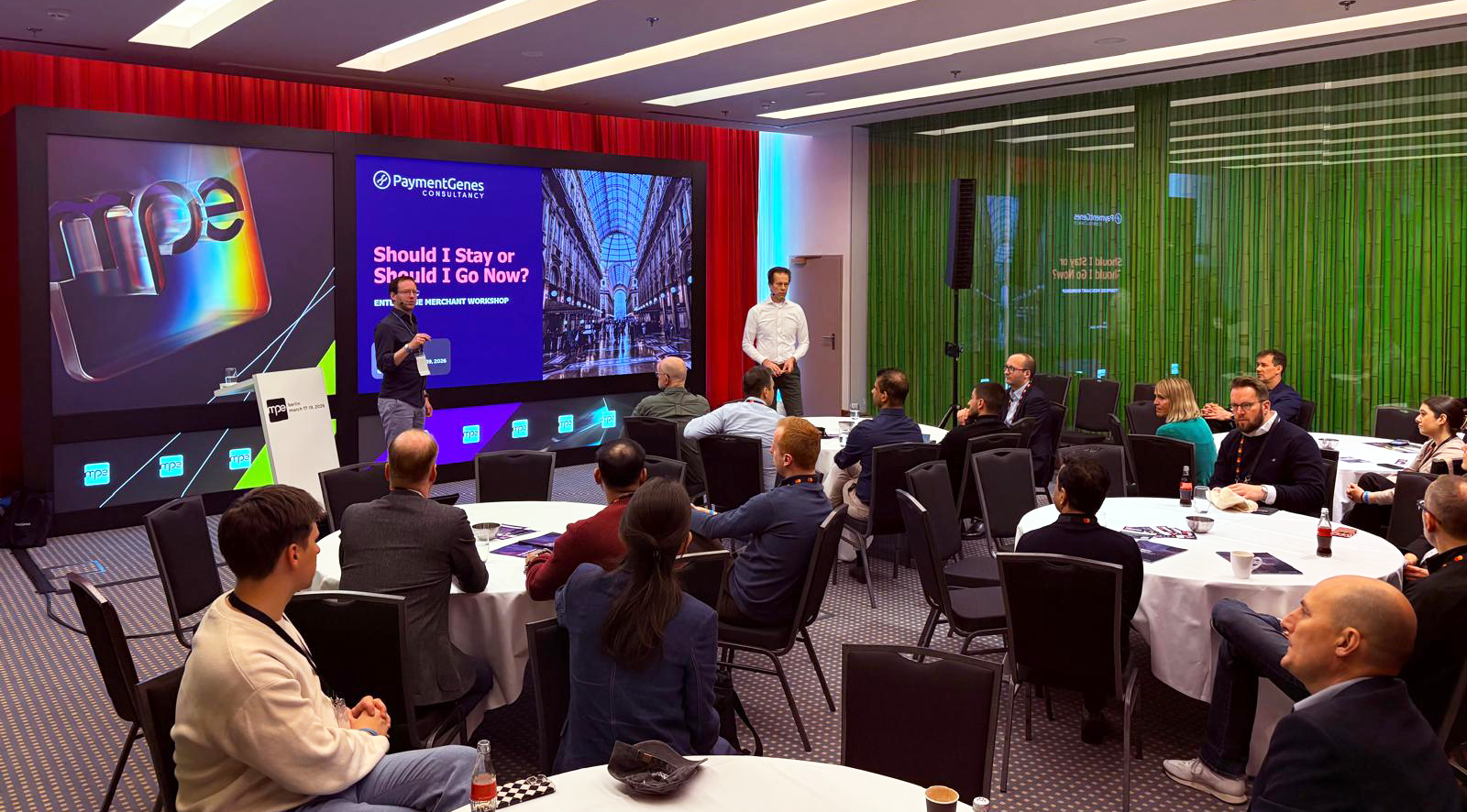
Hosted by Bas van Donselaar, managing partner at PaymentGenes Consultancy, this session examined whether the ecosystem is prepared for the Digital Euro and whether its current design is viable. The initiative, driven by the ECB, aims to strengthen European monetary sovereignty, reduce reliance on non-European payment networks, and provide a privacy-centric, inclusive digital payment method.
However, readiness remains uncertain. The discussion outlined four potential rollout scenarios, from strong private-sector adoption to a minimal compliance-driven model with limited usage. The implications vary significantly. For merchants, a successful Digital Euro could reduce payment costs and improve negotiating leverage with card schemes. Conversely, weak adoption risks creating cost burdens without tangible benefits.
For PSPs, the stakes centre on the wallet layer. Whoever controls the consumer interface controls the relationship — and with the Digital Euro introducing new distribution dynamics, PSPs that move early to embed it alongside cards, A2A, and BNPL stand to gain a structural advantage.
For acquirers, the primary concern is margin pressure. As payments infrastructure becomes increasingly standardised, processing economics risk shifting toward utility-style margins — particularly in scenarios where the Digital Euro gains broad adoption as a public rail.
While ECB principles such as universal access, privacy, and fee caps are defined, key implementation details remain unresolved. Participants agreed that early engagement will be critical to shaping outcomes. The session concluded with five “no-regret” investment priorities, including establishing cost baselines and defining strategic trigger points.
As Bas van Donselaar reflected afterwards:
"During the Digital Euro roundtable, it was clear that the topic matters and the ambition is real. But beneath that, there are serious question marks about whether the current design is the right way forward, and a lot of uncertainty around what it actually means in practice."
This workshop focused on PSP switching strategies, supported by research from ~50 enterprise merchants (81% with €1bn+ revenue, 75% global). Findings indicate growing pressure on PSP relationships, though change is gradual rather than disruptive. Ward Hagenaar and Bas van Donselaar engaged interactively with the 30 participating merchants in the workshop.
Three key themes emerged:
Looking ahead, A2A payments, BNPL, and emerging models like agentic commerce are gaining traction. Adoption is already significant, particularly in Open Banking and BNPL, with new players such as Wero entering the landscape.
The key takeaway: passive strategies are insufficient. Merchants that actively assess costs, infrastructure gaps, and decision triggers will be better positioned in an increasingly complex payments environment.
Simon Stokes hosted a well-attended session on Investment and M&A Strategies for Payments and FinTech, exploring how funding dynamics and partnerships are shaping the sector.
A key observation from Simon was the strength of collaboration at MPE:
“I appreciated the sense of strong community that MPE fosters, with both merchants and service providers coming together to solve challenges and capitalise on opportunities.”
From the panel discussion, three key takeaways stood out:
1. Europe’s Growing Investment Appeal
The UK and European payments and fintech sectors remain highly attractive to investors. This is driven by deep regulatory expertise and a strong financial infrastructure talent pool. Encouragingly, the funding gap with the US is narrowing, not because the US is weakening, but because Europe is compounding its strengths.
2. Record Levels of Dry Powder, but Deployment Challenges
While investment capital is at record highs, several barriers are slowing deployment:
3. Focus on High-Quality Assets
Investors are becoming increasingly selective, prioritising businesses with:
Simon added:
“Despite a challenging environment, the overall sentiment is positive. The UK and Europe continue to deliver.”

Across the event, the PaymentGenes team connected with a wide range of professionals, strengthening relationships and exchanging ideas with leaders from across the payments ecosystem. All panels and sessions were met with strong engagement, highlighting the importance of open dialogue in driving the industry forward.
A special thank you goes to the team on the ground:
As well as to colleagues and collaborators, including Neill Butcher, who contributed alongside the wider MPE community.
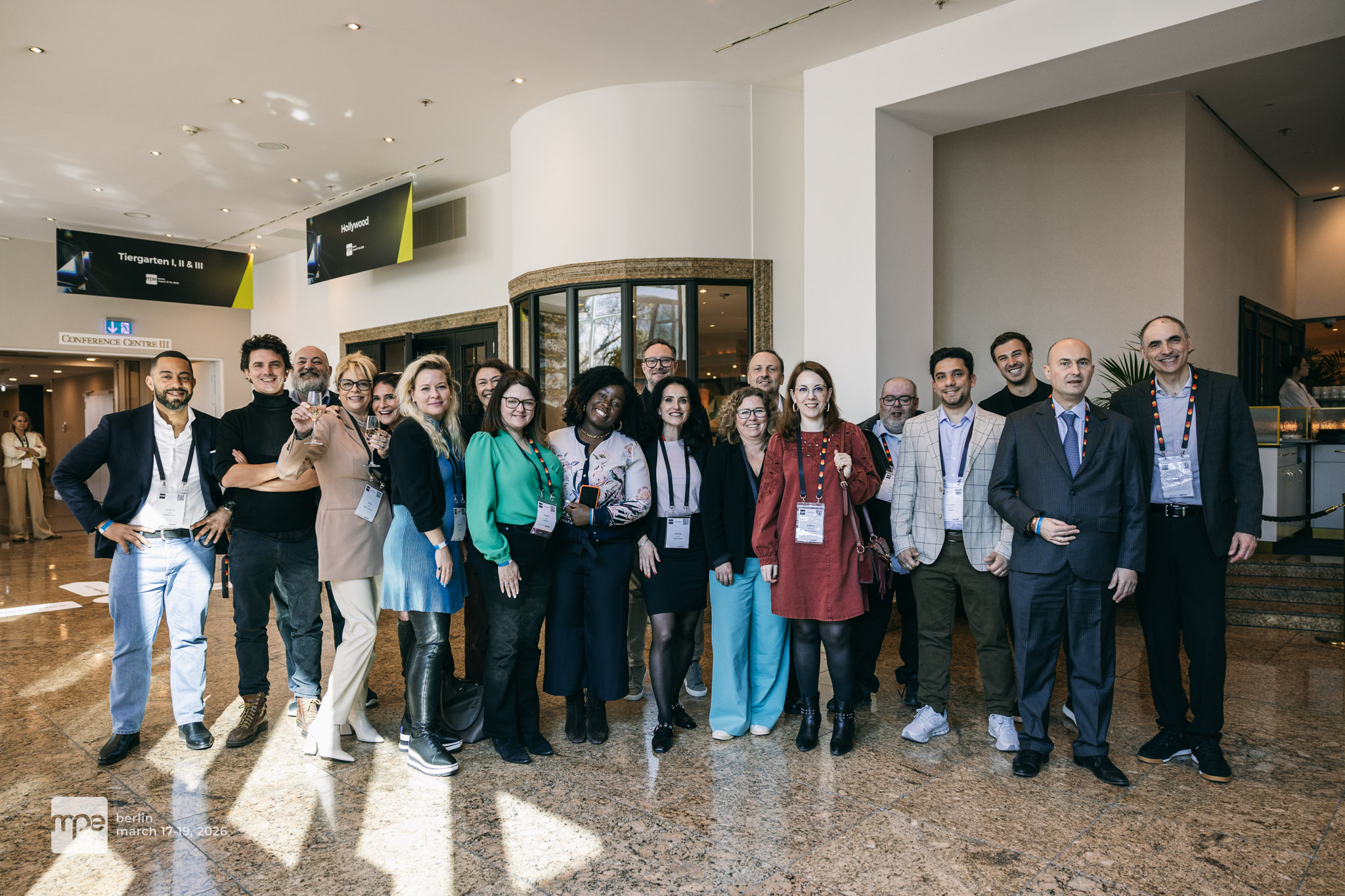
MPE 2026 reinforced a clear message: the payments industry is resilient, collaborative, and full of opportunity. From talent and AI to investment strategies and innovation, the conversations taking place today are actively shaping the future of the ecosystem.
With strong momentum, meaningful connections, and valuable insights gained, PaymentGenes is already looking forward to continuing these conversations and to the next edition of MPE.

.png)
We went to iGB L!VE 2026 at ExCeL London with a simple hypothesis: that payments and fintech would be one of the most important undercurrents of the whole show. Two days later, we are more convinced than ever. Here are the five takeaways we are bringing back for the payments and fintech professionals, and the companies, we work with
Scan the iGB L!VE 2026 agenda and you will spot a cluster of sessions that would look just as at home at a fintech conference: "Game Authenticity in the Age of Crypto Casinos," discussions of stablecoins for cross-border settlement, and the AML and CFT puzzle that comes with them. Crypto and payments have moved from the fringe of iGaming to its frontier, and that shift is rewriting the talent requirements for operators across the board. Here is what is changing, and the skills that suddenly matter.


.jpg)
.png)