

Three days. Tens of thousands of attendees. And a clear signal that the payments industry is moving from "what if" to "what now."
Money20/20 Europe 2026 brought the ecosystem back to the RAI in Amsterdam, and the conversations on the floor matched the questions we're hearing in our day-to-day work across PaymentGenes. Stablecoins crossed from speculative asset into infrastructure decision. Agentic AI moved from concept to merchant strategy. Compliance shifted from a back-office function to a competitive differentiator. And underneath every theme, the same constraint kept surfacing: talent.
One of the four major themes of the event was "The Money Stack Rewired", a reflection of how stablecoins, new infrastructure, and shifting rails have, in the organisers' words, rebuilt the plumbing of money. It's a theme we agree with, and one we're actively engaging with through client work.
Three conversations stood out on the floor:
1. Agentic Commerce. The shift this year is unmistakable: agentic commerce has moved from pilots toward real initiatives. The discussion is no longer whether AI agents will participate in commerce, but how. Alongside that progress comes a parallel concern: how to defend against AI-driven fraud, where attackers move at the same speed as the systems they're targeting.
2. Stablecoins. Stablecoins were front and centre across the agenda. MoneyGram's launch of its MG USD stablecoin on Stellar, built on Stripe infrastructure, was one of the more concrete signals, enabling more efficient cross-border remittances and allowing users to hold currency directly on the platform, which is being redesigned to support a broader range of transactions. The shift from speculation to live infrastructure is clearly accelerating.
3. Payments Infrastructure Resilience. European payment sovereignty was a consistent theme, with growing momentum behind initiatives that reduce dependency on global players. Mastercard, notably, signalled openness to supporting EU data centres, local processing, and regional decision-making, while making the equally important point that access to global data, particularly for fraud fighting, remains essential. The balance between sovereignty and interoperability is becoming a defining question for the next phase of European payments.
Beyond these themes, the shifts are visible across multiple layers of the stack. In cross-border, FX, and treasury, stablecoins are disrupting legacy models, making transactions faster, cheaper, and shifting power away from banks toward fintechs. Banks are responding by moving toward composable architectures, separating business units while preserving the ability to recombine them. Card issuers and wallet providers, meanwhile, are under intensifying pressure: regulatory risk, interchange compression, A2A competition, and a distorted rewards structure are forcing a strategic rethink.
The Digital Euro added another layer to these conversations. Most PSPs and merchants we spoke with are still asking foundational readiness questions, and the timeline is shorter than the ecosystem realises.
Read more about our consultancy services.
Money20/20 once again proved why it remains one of the most influential gatherings in financial services, bringing together leaders from across payments, fintech, banking and technology to discuss the trends shaping the industry’s future.
For Harrison Williams, Head of Practice - Recruitment, the mood across the event was overwhelmingly positive.
“It was great to meet so many leaders across all verticals talking so positively about the industry as a whole, and it was quite clear that growth and innovation were on the priority list for the coming months.”
Several key themes dominated discussions throughout the conference. According to Bram Vreugdenhil, Managing Director of PaymentGenes Recruitment, stablecoins, agentic AI and compliance were at the centre of conversations.
“It’s been smaller than expected, but all about agentic AI and stablecoins, alongside the growing importance of compliance.”
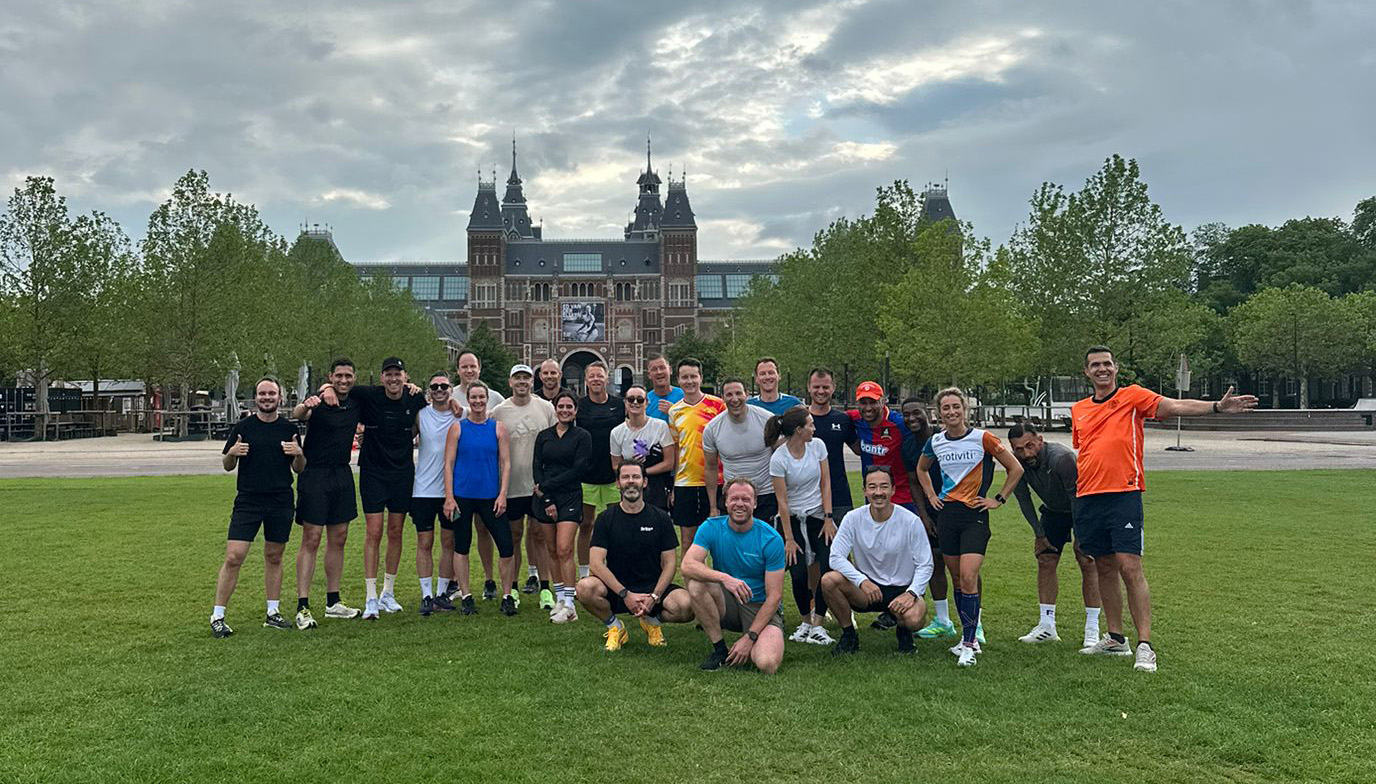
Beyond the conference sessions, Bram also led a 5k run on Day 2, allowing attendees to network while enjoying an energising start to the day.
Neill Butcher, Chief Connections Officer at PaymentGenes, noted a clear shift from innovation to execution.
“Stablecoins are emerging as credible payment rails, while AI is becoming a core decision-making layer across the payment lifecycle.”
He also highlighted increasing M&A activity and market consolidation as businesses look to acquire capabilities in digital assets, AI and new markets.
From a talent perspective, Finnbar Dexter, Head of Payments Practice, observed strong hiring demand across commercial teams, particularly at the mid-management and Head-of level, while executive hiring remains cautious.
“There is meaningful hiring momentum in the market, but many organisations are struggling to attract the right talent through traditional channels.”
Finnbar also pointed to continued M&A activity as a driver of leadership movement and international expansion opportunities across the payments sector.
Read more about the PaymentGenes Recruitment.
Beyond technology and business growth, Money20/20 also provided a platform for important conversations around workplace culture and leadership. Simon Stokes, Head of Fintech M&A, participated in the RiseUp & Amplify programme, where discussions centred on creating healthier and more supportive working environments.
On the opening day of the event, Simon joined a panel exploring how professionals can navigate overbearing leadership styles and workplace cultures where vulnerability is often discouraged.
“Our panel focused on how to navigate through overbearing leadership in the workplace, and challenging environments where the culture is one where ‘real men don’t ask for help’.”
One of the most significant takeaways from the discussion was the need for managers to build stronger, more meaningful relationships with their teams.
“There is still a need for people managers to be less transactional and engage at a more personal and deeper level with direct reports.”
From breakthrough technologies such as agentic AI and stablecoins to conversations about leadership, culture and inclusion, Money20/20 demonstrated that the future of financial services will be shaped not only by innovation, but also by the people leading it.
Read more about PaymentGenes Capital.
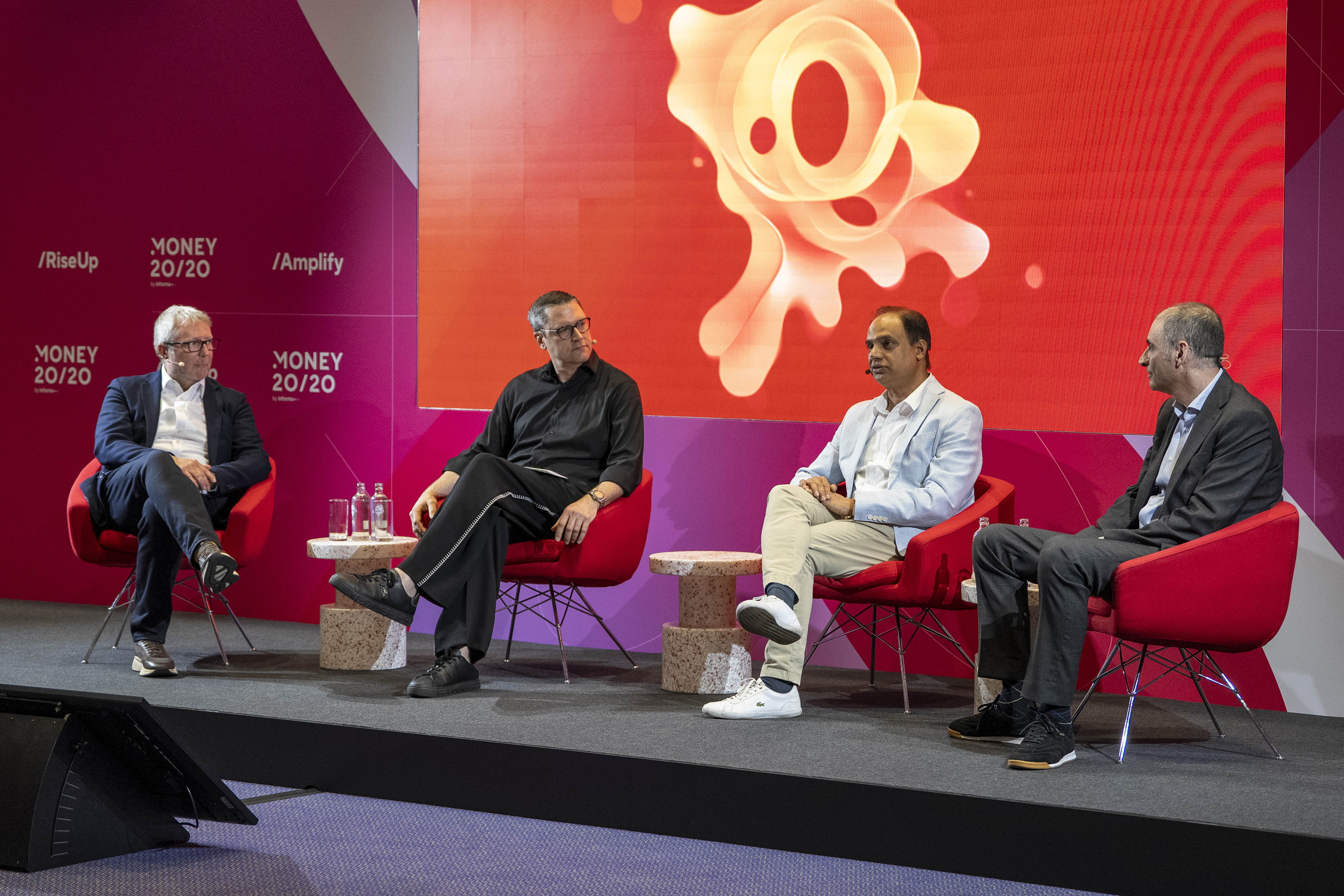
One of the most anticipated sessions at Money20/20 Europe 2026 was "AI Takes the Wheel: The New Power Dynamic in Financial Decisions", featuring Maik Taro Wehmeyer, Co-Founder & CEO at Taktile, moderated by Rana Yared, General Partner at Balderton.
The discussion centred on a clear industry shift: AI is no longer a feature within payment products, but an active layer in financial decision-making. Agents authorise transactions, models score fraud in real time, and algorithms increasingly determine credit decisions and authorisation routing. These responsibilities are being transferred, layer by layer, to systems that operate at a speed beyond human review.
This shift raises an important question for payments organisations: as autonomous systems take on a growing share of operational decisions, teams move from executing those decisions to overseeing them. Effective oversight, however, requires a deep understanding of the underlying processes. The organisations best positioned to lead in the agentic era will be those that combine automation with well-prepared teams, equipped with the foundational knowledge, regulatory awareness, and shared vocabulary needed to evaluate outcomes, identify gaps, and maintain control.
Building that capability is the purpose of PaymentGenes Academy. Through tailored training programmes designed for fintechs, banks, PSPs, and merchants, the Academy equips payments professionals with the technical foundations and strategic perspective needed to make better decisions in an increasingly complex environment.
Read more about the PaymentGenes Academy.

If Money20/20 Europe 2026 made one thing clear, it's this: the next wave of payments innovation will not be won by those with the boldest technology alone. It will be won by those who treat infrastructure choices, regulatory navigation, M&A strategy, and people development as one connected agenda.
That’s the lens we bring across PaymentGenes Consultancy, Capital, Recruitment and Academy into the conversations ahead.
If any of these themes intersect with what you're working on, we'd love to continue the conversation.

If any of these themes intersect with what you're working on, we'd love to continue the conversation.
.png)
We went to iGB L!VE 2026 at ExCeL London with a simple hypothesis: that payments and fintech would be one of the most important undercurrents of the whole show. Two days later, we are more convinced than ever. Here are the five takeaways we are bringing back for the payments and fintech professionals, and the companies, we work with


.png)